Frozen Shoulder


Ortho & Manual Therapy

Frozen Shoulder

A frozen shoulder can make simple movements painful and frustrating. Our hands-on therapy restores capsular mobility and reduces stiffness — step by step, until your shoulder moves freely again.

Frozen Shoulder physiotherapy at Physio Synapse


Overview

Understanding Frozen Shoulder

Frozen shoulder — medically known as adhesive capsulitis — is a condition where the capsule around the shoulder joint becomes thick, tight and inflamed, sharply limiting movement. It typically progresses through three stages: freezing (increasing pain and stiffness), frozen (stiffness dominates), and thawing (gradual return of movement). Left alone it can take a very long time to resolve. With targeted physiotherapy — manual mobilisation, capsular stretching and a guided exercise plan — we can meaningfully speed recovery and control pain along the way.

Signs & Symptoms

Do these sound familiar?

  • A deep, aching pain in the shoulder
  • Marked stiffness and loss of movement
  • Pain that worsens at night and disturbs sleep
  • Difficulty reaching overhead or behind the back
  • Trouble with dressing, grooming and daily tasks
  • Gradual onset that steadily gets worse
Our Approach

How Physiotherapy Helps

Manual Mobilisation

Hands-on techniques that gently free the stiff, restricted shoulder capsule.

Capsular Stretching

Targeted stretching to progressively restore lost range of motion.

Pain Management

Modalities and techniques to control pain, especially in the painful early stage.

Guided Exercise

A staged home programme to keep your shoulder improving between sessions.

The Journey

What to Expect at Physio Synapse

01

Shoulder Assessment

We identify your stage and measure exactly how much movement is restricted.

02

Pain Relief

In the painful phase, we prioritise calming pain and protecting the joint.

03

Mobilisation

Hands-on capsular work to gradually unlock the shoulder.

04

Range Restoration

Progressive stretching and strengthening to rebuild full movement.

05

Full Function

Returning you to overhead reach, dressing and daily activity without pain.


Knee Hip Replacement


Ortho & Post-Surgical Rehab

Post Knee or Hip Replacement

A successful surgery is only half the journey — rehabilitation is what gets you walking, confident and pain-free again. Our structured post-op programme restores strength, motion and natural movement.

Post Knee or Hip Replacement physiotherapy at Physio Synapse

Overview

Understanding Post Knee or Hip Replacement

After a knee or hip replacement, physiotherapy is essential to a full recovery. The new joint needs to be gradually mobilised, the surrounding muscles rebuilt, and your walking pattern retrained — all while managing swelling and protecting the healing tissues. At Physio Synapse, we deliver a structured, stage-by-stage rehabilitation programme that restores range of motion, strength and gait mechanics, helping you return to comfortable, independent movement as quickly and safely as possible.

Signs & Symptoms

Do these sound familiar?

  • Stiffness and limited movement in the new joint
  • Swelling around the operated area
  • Weakness in the surrounding muscles
  • Difficulty walking or bearing weight
  • An altered or protective walking pattern
  • Reduced confidence with stairs and daily tasks
Our Approach

How Physiotherapy Helps

Early Mobilisation

Safe, guided movement from the early stages to protect and progress the new joint.

Range of Motion

Hands-on and exercise work to restore full, comfortable joint movement.

Strengthening

Rebuilding the muscles around the joint for stability and support.

Gait Re-training

Correcting your walking pattern for smooth, natural, pain-free movement.

The Journey

What to Expect at Physio Synapse

01

Post-Op Assessment

We check range, strength, swelling and your walking pattern to set a safe starting point.

02

Swelling & Pain Control

Techniques to reduce swelling and keep early recovery comfortable.

03

Motion & Strength

Progressive exercises to restore movement and rebuild muscle.

04

Gait & Stairs

Retraining natural walking, balance and confident stair climbing.

05

Return to Life

Guiding you back to work, activity and the things you enjoy.


Stroke Recovery


Neuro Rehabilitation

Stroke Recovery

Recovery after a stroke is possible — and it starts with the right rehabilitation. Our neuro-physiotherapy retrains the brain and body to restore movement, balance and independence.

Stroke Recovery physiotherapy at Physio Synapse

Overview

Understanding Stroke Recovery

A stroke happens when blood supply to part of the brain is interrupted, damaging the brain cells that control movement, balance and coordination. This often leads to weakness or paralysis on one side of the body (hemiplegia), spasticity, and difficulty walking. The brain, however, is remarkably adaptable — a property called neuroplasticity. Through intensive, task-specific rehabilitation, we help the brain rewire and relearn movement, guiding you back towards independence step by step.

Signs & Symptoms

Do these sound familiar?

  • Weakness or paralysis on one side of the body
  • Muscle stiffness or spasticity
  • Loss of balance and coordination
  • Difficulty walking or an unsteady gait
  • Reduced control of the arm and hand
  • Fatigue and reduced functional endurance
Our Approach

How Physiotherapy Helps

Neuro-Rehabilitation

Task-specific, repetitive training that harnesses neuroplasticity to relearn movement.

Gait Re-education

Structured walking retraining using parallel bars and progressive support.

Balance & Coordination

Restoring stability and control for safe, confident movement.

Strength & Function

Rebuilding power in the affected side for everyday independence.

The Journey

What to Expect at Physio Synapse

01

Neuro Assessment

We evaluate strength, tone, balance, gait and functional ability across the affected side.

02

Goal-Based Plan

Rehabilitation goals set around your priorities — walking, self-care, returning to activity.

03

Intensive Rehab

Repetitive, task-specific sessions that drive real functional gains.

04

Gait & Balance Training

Progressive walking and balance work towards independent mobility.

05

Home & Family Guidance

Support and training so progress continues between sessions.


Neuromuscular Disorder Therapy


Neuro Rehabilitation

Neuromuscular Disorder Therapy

When nerves and muscles stop communicating properly, everyday movement becomes hard work. Our therapy rebuilds muscle activation, coordination and endurance — so you regain control and independence.

Neuromuscular Disorder Therapy physiotherapy at Physio Synapse

Overview

Understanding Neuromuscular Disorder Therapy

Neuromuscular disorders are conditions that affect the nerves controlling your muscles, or the muscles themselves — including muscular dystrophy, myopathy, peripheral neuropathy and post-Guillain-Barré recovery. The result is often muscle weakness, fatigue, poor coordination and difficulty with movement. Physiotherapy plays a central role in managing these conditions: we work within safe limits to activate muscles, preserve function and maximise independence, while preventing the secondary problems that come from disuse.

Signs & Symptoms

Do these sound familiar?

  • Progressive or fluctuating muscle weakness
  • Muscle fatigue and low endurance
  • Poor coordination and unsteady movement
  • Difficulty walking, climbing stairs or gripping
  • Muscle wasting or reduced muscle tone
  • Frequent trips, stumbles or loss of balance
Our Approach

How Physiotherapy Helps

Muscle Activation

Targeted techniques to “switch on” and strengthen under-active muscles safely.

Coordination Training

Rebuilding smooth, controlled movement patterns for daily tasks.

Endurance Building

Graded programmes that improve stamina without over-fatiguing the muscle.

Functional Independence

Training for real-life movements — walking, transfers, self-care.

The Journey

What to Expect at Physio Synapse

01

Comprehensive Evaluation

We assess strength, tone, coordination and functional ability in detail.

02

Safe, Graded Plan

A programme calibrated to your condition — challenging but never over-loading.

03

Activation & Strengthening

Hands-on and exercise-based work to recruit and build muscle.

04

Functional Retraining

Practising the movements that matter most to your independence.

05

Assistive Support

Guidance on aids and adaptations when they help you move better.


Parkinson’s Disease

Neuro Rehabilitation

Parkinson’s Disease

Parkinson’s changes how the body moves — but the right physiotherapy helps you stay steady, mobile and independent for longer. We focus on balance, gait and confident everyday movement.

Parkinson’s Disease physiotherapy at Physio Synapse

Overview

Understanding Parkinson’s Disease

Parkinson’s disease is a progressive neurological condition that affects movement. It develops when the brain’s dopamine-producing cells decline, leading to tremor, muscle rigidity, slowness of movement (bradykinesia) and balance difficulties. While medication manages the chemistry, physiotherapy manages the movement — and research consistently shows that structured, large-amplitude exercise slows functional decline and reduces falls. Our neuro-rehab programme keeps you moving well, for longer.

Signs & Symptoms

Do these sound familiar?

  • Tremor, usually starting in a hand or fingers
  • Stiffness or rigidity in the limbs and trunk
  • Slow, small movements (bradykinesia)
  • A shuffling walk or “freezing” when starting to move
  • Poor balance and increased risk of falls
  • Stooped posture and reduced arm swing
Our Approach

How Physiotherapy Helps

Gait & Freezing Training

Cueing strategies and rhythm techniques that keep your walking smooth and unstuck.

Balance & Fall Prevention

Targeted balance work to keep you steady and confident on your feet.

Large-Amplitude Movement

Big, deliberate movement training that counteracts the shrinking of Parkinson’s motion.

Strength & Flexibility

Maintaining muscle power and range so daily tasks stay easy.

The Journey

What to Expect at Physio Synapse

01

Movement Assessment

We evaluate your gait, balance, posture and functional mobility in detail.

02

Personalised Programme

A plan built around your stage, goals and daily routine.

03

Active Rehab Sessions

Supervised gait, balance and amplitude training in our neuro-rehab setup.

04

Fall-Proofing

Practical strategies for home and daily life to reduce fall risk.

05

Ongoing Support

Regular reviews to adjust the programme as your needs change.

Back and Neck Pain Physiotherapy


Spine & Ortho Care

Back and Neck Pain Physiotherapy

Wear-and-tear of the spine doesn’t have to mean living with daily pain. Our targeted spinal physiotherapy reduces nerve compression, restores mobility and gives you lasting relief — without over-relying on medication.

Cervical & Lumbar Spondylosis physiotherapy at Physio Synapse

Overview

Understanding Back and Neck Pain Physiotherapy

Spondylosis is the age-related degeneration of the discs and joints of the spine. When it affects the neck it is called cervical spondylosis; in the lower back it is lumbar spondylosis. Over time the discs lose water content, bone spurs form, and the spaces around the nerves narrow — leading to stiffness, pain and, in some cases, nerve compression that radiates into the arms or legs. At Physio Synapse, we treat the whole spine (cervical, thoracic, lumbar and sacrum) through hands-on manual therapy and a structured strengthening programme.

Signs & Symptoms

Do these sound familiar?

  • Persistent neck or lower-back pain and stiffness
  • Pain radiating into the arms, shoulders, hips or legs
  • Tingling, numbness or a “pins and needles” feeling
  • Headaches originating from the neck (cervicogenic)
  • Reduced range of motion when turning or bending
  • Muscle weakness or a heavy, tired feeling in the limbs
Our Approach

How Physiotherapy Helps

Spinal Manual Therapy

Controlled mobilisation and manipulation to free stiff spinal joints and reduce pain.

Nerve Decompression

Traction and positional techniques that relieve pressure on compressed nerve roots.

Posture & Ergonomics

Correcting the daily habits — desk, phone, sleep — that keep triggering your symptoms.

Core & Neck Strengthening

Progressive exercises that support the spine so relief actually lasts.

The Journey

What to Expect at Physio Synapse

01

Detailed Assessment

We pinpoint the exact level and cause of your pain through a full spinal and neurological evaluation.

02

Pain & Inflammation Relief

Manual therapy and modalities calm the acute pain so you can move again.

03

Mobility & Strength

We restore range of motion and build the muscles that protect your spine.

04

Posture Correction

Ergonomic and postural retraining to stop the problem from returning.

05

Maintenance Plan

A simple home programme so your results hold long after therapy ends.

Sensory Integration Therapy

What is Sensory Integration Therapy

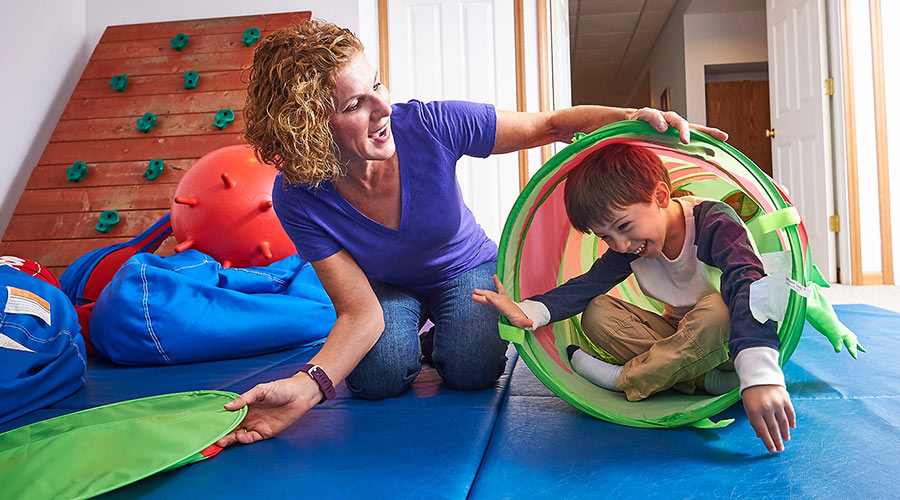
Sensory integration therapy organizes sensation from one’s own body and from the environment and makes it possible to use the body effectively within the environment. It involves activities that are believed to organize the sensory system by providing vestibular, proprioceptive, auditory and tactile inputs.

Who is benefited from sensory integration therapy?

  • Children suffering from Sensory Processing Disorders like who are having difficulty in understanding the information they get from touch, movement and gravity and cannot understand what they hear and see.
  • Individuals with Autism spectrum disorder and others who have Attention deficit hyperactivity disorder, Obsessive-compulsive disorder and learning disabilities are benefited from the sensory integration therapy.

What are the benefits of sensory integration therapy?

  • Helps adults and children by exposing them to sensory stimulation in a structured, repetitive way
  • Helps to maintain optimal arousal and attention for learning
  • Structured activities in a playful, non-threatening manner eradicate fear and develops positive thinking and behaviour
  • Build physical balance and development
  • Reduction in sensory defensiveness
  • Encourage socialization and engagement
  • Reduce negative physical emotions
  • Improves confidence and attention

When do therapists recommend sensory integration therapy?

The therapy is recommended by experienced and certified sensory integration therapist after a detailed evaluation and analysis of your child’s responsiveness to the surroundings. Ideally, the therapy is advised in cases of Sensory Processing Disorders like-

  • Sensory Over-Responsivity – quick or intense response to sensory stimuli
  • Sensory Under-Responsivity — slow response to sensory stimuli
  • Sensory Seeking/Craving – actively seeking sensation often in socially unacceptable way
  • Postural Disorder- difficulty stabilizing the body during movement or at rest to meet demands of a motor task
  • Dyspraxia: difficulty translating sensory information into planning and/or sequencing movement
  • Difficulty using both hands and feet at the same time (bilateral coordination)
  • Reduce negative physical emotions
  • Improves confidence and attention

Who gives sensory integration therapy?

At Synapse Physio, we have experienced therapist in sensory integration therapy who design a customized program especially for your child to meet his/her developmental needs. The therapist will plan the Sensory Diet Activities Specific to your child based on assessment to maintain optimal level of organization throughout the day and will monitor and review the progress along with you regularly.

Dry Needling Therapy

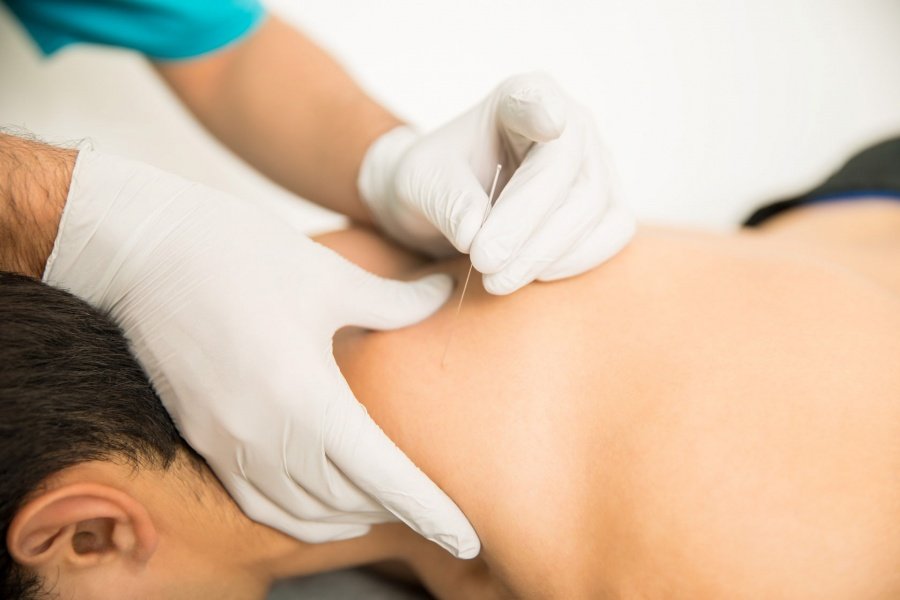
Dry Needling therapy – Intra Muscular Dry Needling also known as Myofascial Trigger Point Dry Needling, is a technique which targets the trigger points in the myofascia & helps in reducing the localized & referred pain.

Dry Needling- What is the treatment all about?

Dry needling can be described as a technique that involves the use of sterile and thin filament needle which is inserted into your muscle to help reduce pain and enhance function by releasing myofascial trigger points.

How does Dry Needling help?

Dry needling helps reduce muscular pain and improve function by restoring the natural ability of the muscle to expand and contract by liberating myofascial trigger points. It also enhances the normal physiological pain recovery mechanism by release of hormones such as serotonin.

Conditions can be treated with dry needling technique?

  • Muscle spasm
  • Frozen shoulder
  • Tennis elbow
  • Fibromyalgia
  • Sciatica
  • Hip pain
  • Knee pain
  • Repetitive strain injuries
  • Low back pain
  • Capsular tightness
  • On-field injury
  • Ankle sprain

When do dry needling therapists recommend Dry Needling Treatment?

  • To aid pain management
  • To promote local healing
  • To release muscle knots(myofascial trigger points)
  • Restore joint movement in case it is constrained by myofascial trigger points.

How does it feel while undergoing Dry Needling Treatment?

During Dry Needling by a Physical Therapist, you may encounter a mild sensation when the needle is inserted and withdrawn. Generally, no discomfort is reported by patients during needle manipulation.

Is Dry Needling treatment safe?

We all are different and our body responds differently to different treatments and the same is applicable for dry needling treatment too.

Apart from the benefits of this treatment, you may encounter some side effects that may not be severe. You may encounter temporary side effects like soreness & fatigue of a muscle which will disappear in 5-6 hours of time period.

Is exercise recommended after Dry Needling?

Generally, the physical therapist recommends you avoid vigorous activities immediately after the treatment. As your body needs some time to recover post-treatment, you should not indulge in strenuous activities. However exercises can be started with the guidance of a physiotherapist 24 hours post needling.

Neuro Developmental Therapy

What is Neuro-Developmental therapy?

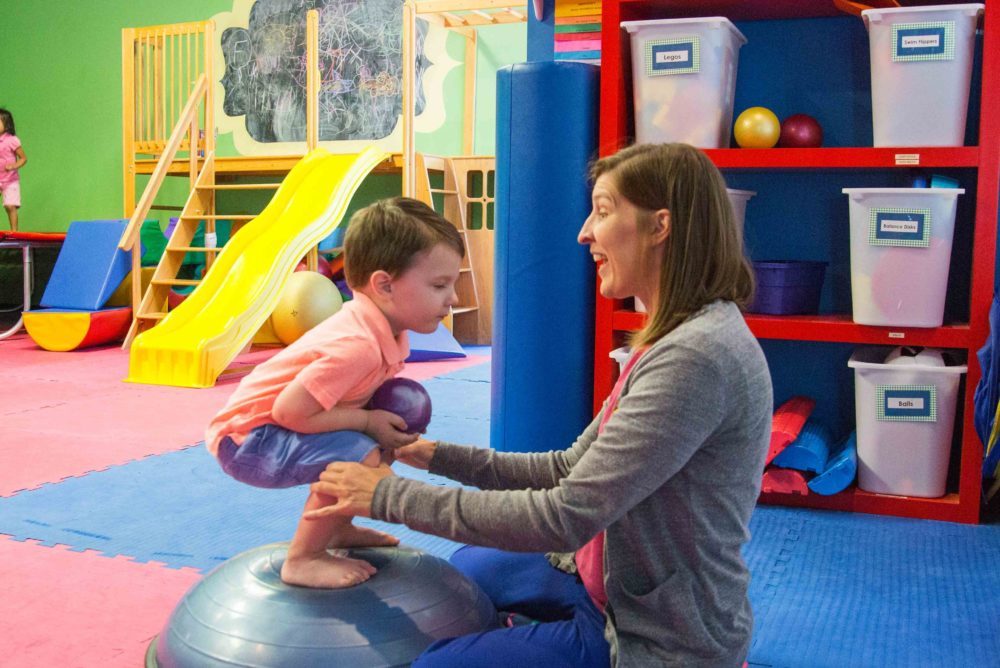
Neurodevelopmental therapy, a problem solving approach is commonly used in treating movement dysfunctions in children with CNS disorders. NDT focuses on enhancing the sensation of movement through the internal and external sensory feedback mechanisms through a motivating functional play therapy which makes the child an active participant in therapy.

At Synapse Physio, we have NDT trained therapists who design a customized program especially for your child to meet his/her developmental needs. Our expert therapist guides you and your child about the complete program and will monitor and review the progress along with you regularly.

Benefits of Neurodevelopmental Treatment

  • Allow functional movements on optimal postures to be incorporated into daily activities to avoid further impairments & abnormal patterns of movement.
  • Utilize Key Points of control to enhance movements.
  • Assist children with the cerebral palsy who having difficulties with postural control and movement on attempting to rise against gravity.
  • Enhance functional cortical reorganisation for improving the child’s function, social participation and quality of life.

Neurodevelopmental Treatment in Physical Therapy

Neurodevelopmental treatment (NDT) is a sensory –motor approach used by physical therapists / occupational therapists. The approach was designed to improve the function in children and adults with difficulty managing movement due to neurological disorders like head injury, stroke or cerebral palsy etc. Preference is given to attain Mobility over a strong Trunk stability, movement is enhanced through a sensory motor experience.

Core Focus in Neurodevelopmental Therapy

For us every child is special and there can be delayed development in many children especially in areas of thinking skills, motor skills, language, social skills etc.

We understand the causes may differ like genetic, Birth/ late injuries etc. But our objective is to offer a treatment that proves to be effective for every child with developmental problems and adults with Functional movement dysfunctions.

Our physical and occupational therapists work towards providing these children a new environment where they can improve on their development. Along with their families, we try to give them a new life where the developmental issues would never be a concern or barrier for the child to explore the environment.

Visit Today

You’ll know the minute you arrive this is the place. We are here to surpass your desires.

Make Appointment