
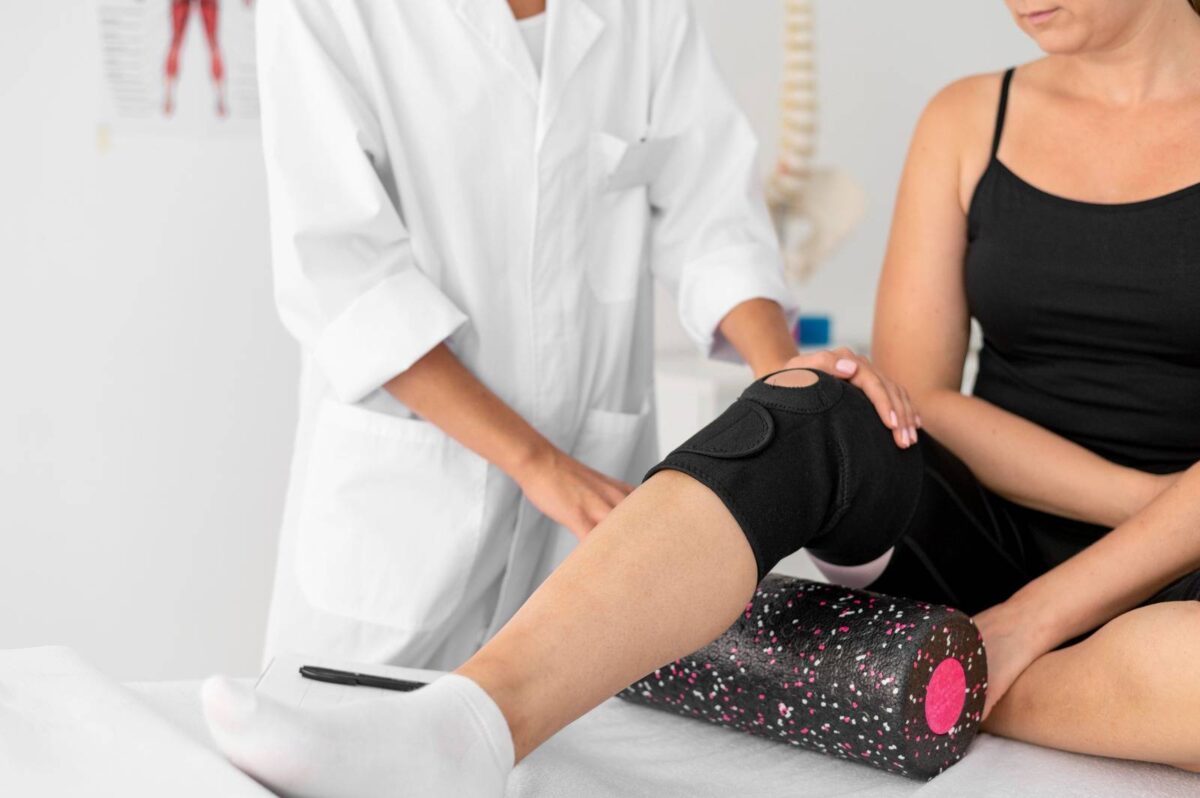
Joint replacement surgery can be life-changing for patients suffering from severe arthritis and chronic joint pain. Whether it is a knee replacement or hip replacement, surgery is only the first step toward improved mobility. Proper physiotherapy after joint replacement plays a crucial role in ensuring a smooth and successful recovery. Under the expert guidance of Dr. GK Balaji, patients receive structured rehabilitation programs designed to restore strength, flexibility, and confidence after surgery.
Why Is Physiotherapy Important After Joint Replacement?
Post joint replacement physiotherapy is essential for restoring strength, flexibility, and function. Without guided rehabilitation, stiffness and weakness may delay recovery. Physiotherapy helps patients regain mobility after joint replacement and reduces the risk of complications such as blood clots or joint stiffness.
The benefits of physiotherapy after joint surgery include:
- Improved joint movement and flexibility
- Faster joint replacement recovery
- Strengthening of surrounding muscles
- Better balance and coordination
- Reduced post-surgical pain and swelling
When to Start Physiotherapy After Knee Replacement?
In most cases, physical therapy after knee replacement begins within 24 hours of surgery. Early movement is encouraged to improve circulation and prevent stiffness. For patients undergoing rehabilitation after hip replacement, therapy also starts early but follows specific precautions to protect the new joint.
Many patients ask, “How long is recovery after knee replacement?” While recovery timelines vary, structured physiotherapy significantly shortens healing time and improves long-term outcomes.
What to Expect During Joint Replacement Recovery
The recovery process typically progresses in phases:
1. Early Recovery Phase- During the first few weeks, therapy focuses on gentle range-of-motion exercises and basic strengthening. Walking with support devices such as walkers may be introduced.
2. Strengthening Phase- As healing progresses, exercises after hip replacement surgery or knee replacement physiotherapy become more advanced. Muscle strengthening and balance training help restore independence.
3. Functional Training Phase- In this stage, patients work on climbing stairs, sitting, standing, and returning to daily activities. The goal is to ensure safe and confident movement.
Tips for Faster Joint Replacement Recovery
To maximize results from post-surgical physiotherapy:
- Follow your physiotherapist’s exercise plan consistently
- Maintain a healthy diet to support healing
- Avoid overexertion
- Attend all follow-up appointments
- Stay active within recommended limits
Consistency is key. Skipping physiotherapy sessions may delay joint replacement surgery recovery and affect long-term results.
Physiotherapy after joint replacement is not optional — it is a vital part of recovery. From reducing pain to restoring mobility and independence, rehabilitation ensures that patients gain the full benefit of their new joint.
If you or a loved one is planning joint replacement surgery, consult us design a personalized rehabilitation plan for a faster and safer recovery.
Comments 0