Categories
Uncategorized

Physiotherapy for Neck Pain: Relieving Stiffness and Restoring Movement

Neck pain is a common issue that can interfere with work, sleep, and daily activities. Whether it’s due to poor posture, long hours at a desk, stress, or underlying conditions like cervical spondylosis, persistent pain can impact quality of life. Thankfully, as emphasized by Dr. GK Balaji, physiotherapy for neck pain provides safe and effective ways to reduce stiffness and restore mobility. 

How Physiotherapy Helps Neck Pain 

Physiotherapy focuses on reducing pain, easing muscle tension, and improving movement through targeted exercises and manual techniques. A physiotherapist evaluates the root cause of discomfort—whether it’s muscle strain, nerve irritation, or joint stiffness—and then designs a personalized treatment plan. 

Physiotherapy Techniques for Neck Pain 

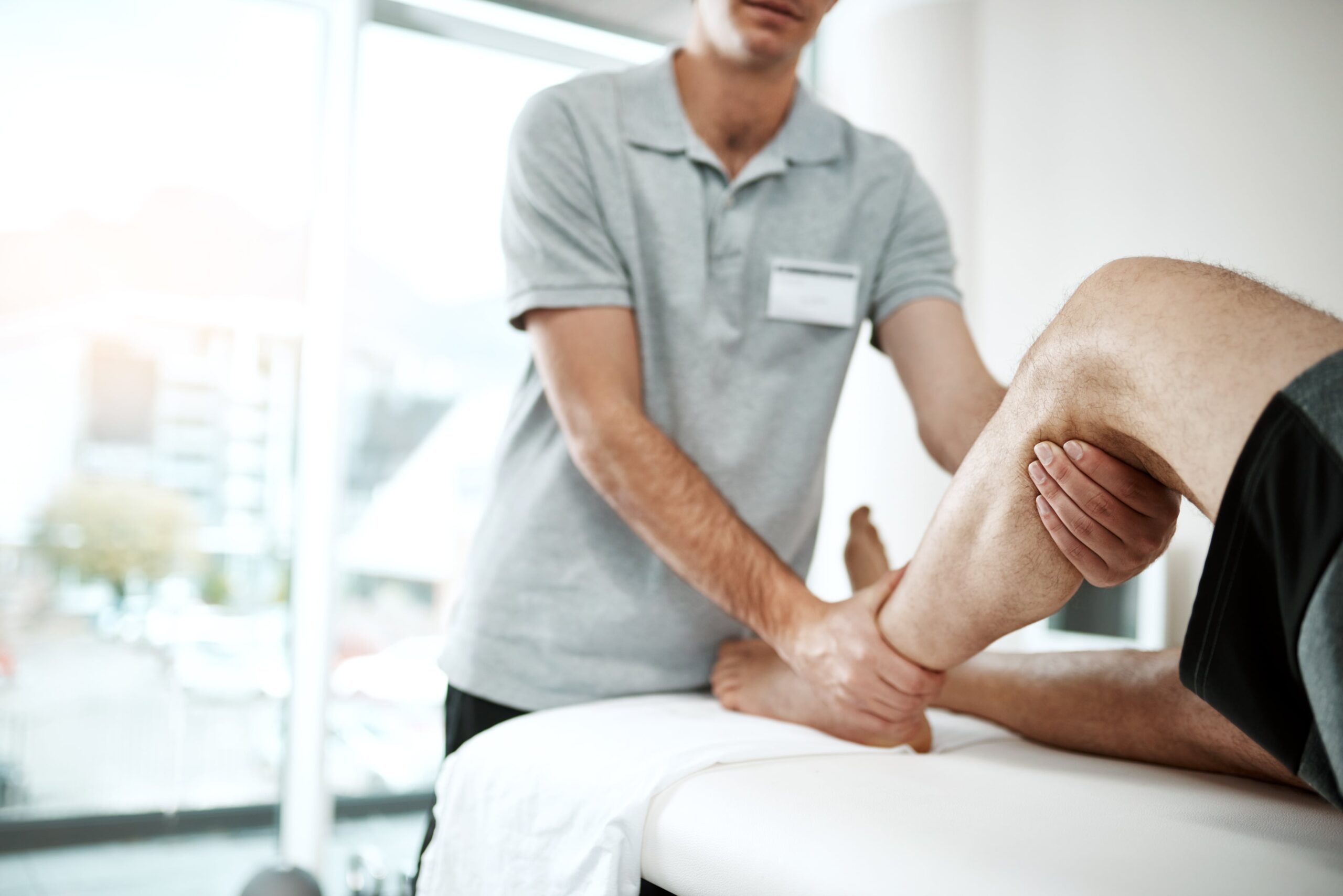
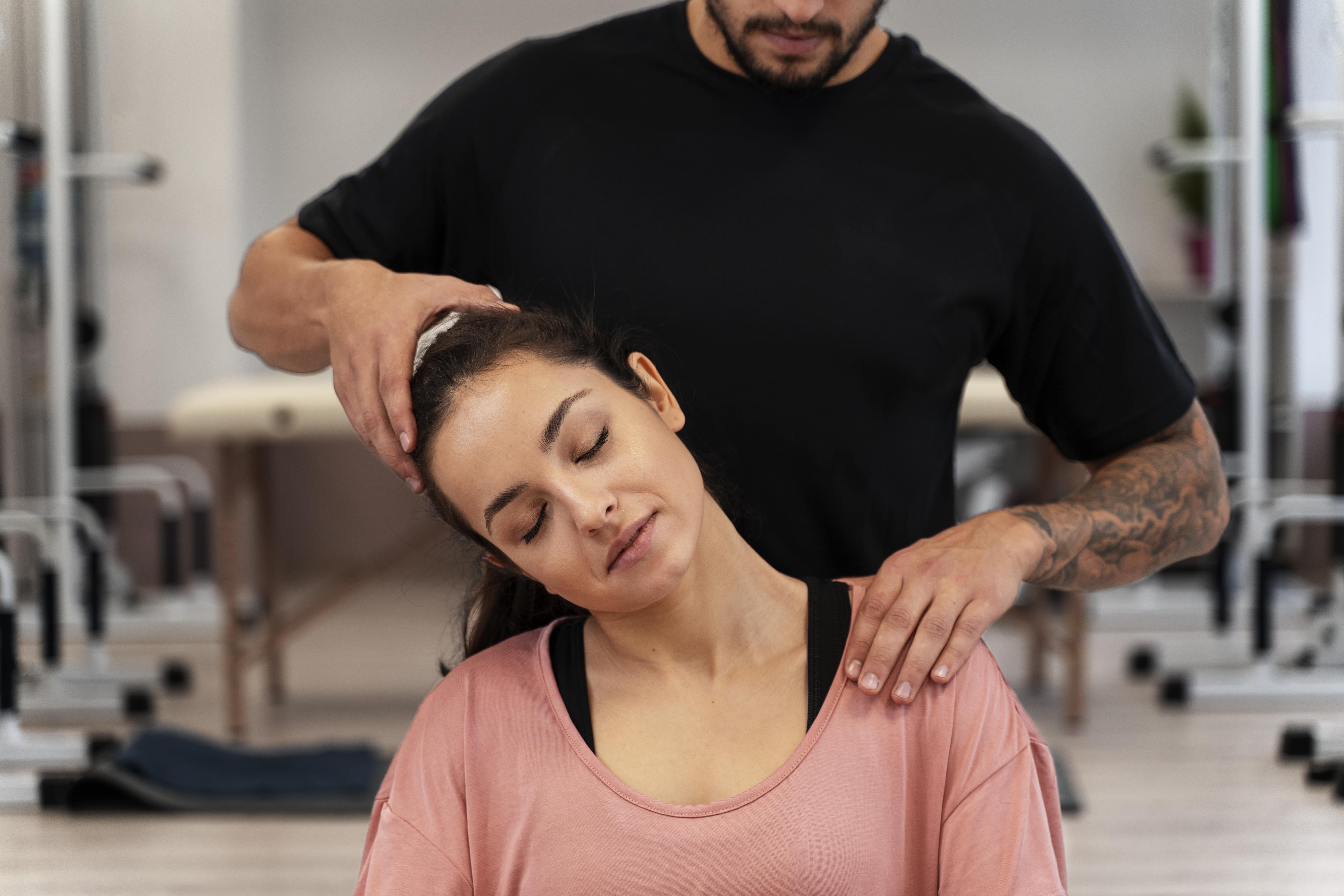
1. Manual Therapy – Hands-on techniques are used to mobilize stiff joints, relax tight muscles, and improve circulation in the neck region. 

2. Physiotherapy Exercises for Neck Pain – Specific stretches and strengthening exercises target the muscles that support the neck, helping to correct posture and prevent recurring stiffness. 

3. Postural Training – Bad posture is a leading cause of neck pain. Physiotherapists guide patients on proper sitting, standing, and sleeping positions to reduce strain. 

4. Heat and Cold Therapy – Alternating between heat packs and cold compresses helps relieve muscle soreness and reduce inflammation. 

5. Electrotherapy – In some cases, mild electrical stimulation is used to relax muscles and relieve pain. 

Benefits of Physiotherapy for Neck Stiffness 

  • Relieves tightness in neck and shoulder muscles 
  • Improves range of motion and flexibility 
  • Corrects posture to prevent recurring pain 
  • Reduces dependency on painkillers 
  • Restores confidence in performing daily activities 

    Restoring Neck Movement Safely 

    Regular physiotherapy sessions not only provide immediate pain relief but also strengthen the neck and upper back muscles. This helps patients return to normal activities—whether it’s working at a desk, exercising, or sleeping comfortably—without constant discomfort. 

    By focusing on both short-term relief and long-term prevention, physiotherapy for cervical pain ensures that stiffness doesn’t limit your lifestyle. 

    Take the first step towards a pain-free life—consult us today and experience the benefits of physiotherapy for neck pain and stiffness. 

    Categories
    Uncategorized

    Recovering from a Rotator Cuff Injury: The Role of Physiotherapy

    The rotator cuff is a group of muscles and tendons that stabilize your shoulder joint and allow smooth arm movement. A rotator cuff injury, often caused by overuse, sports, or age-related wear, can lead to shoulder pain, stiffness, and reduced mobility. Fortunately, physiotherapy plays a key role in restoring shoulder health, reducing pain, and supporting long-term recovery. As explained by Dr. GK Balaji, timely physiotherapy can make a significant difference in recovery outcomes.

    Understanding Rotator Cuff Injuries

    Rotator cuff injuries range from mild strains to partial or complete tears. Symptoms may include shoulder weakness, pain when lifting the arm, difficulty sleeping on the affected side, and limited range of motion. Early diagnosis and proper management are critical to prevent worsening of the condition.

    Why Physiotherapy for Rotator Cuff Injury Recovery?

    Physiotherapy for rotator cuff injury is one of the most effective, non-surgical treatments. A structured rehabilitation plan can:

    1. Reduce pain and inflammation.

    2. Restore shoulder flexibility and mobility.

    3. Improve muscle strength and endurance.

    4. Prevent future injuries through targeted exercises.

    By addressing both pain relief and strengthening, physiotherapy supports natural healing while reducing the need for surgical intervention in many cases.

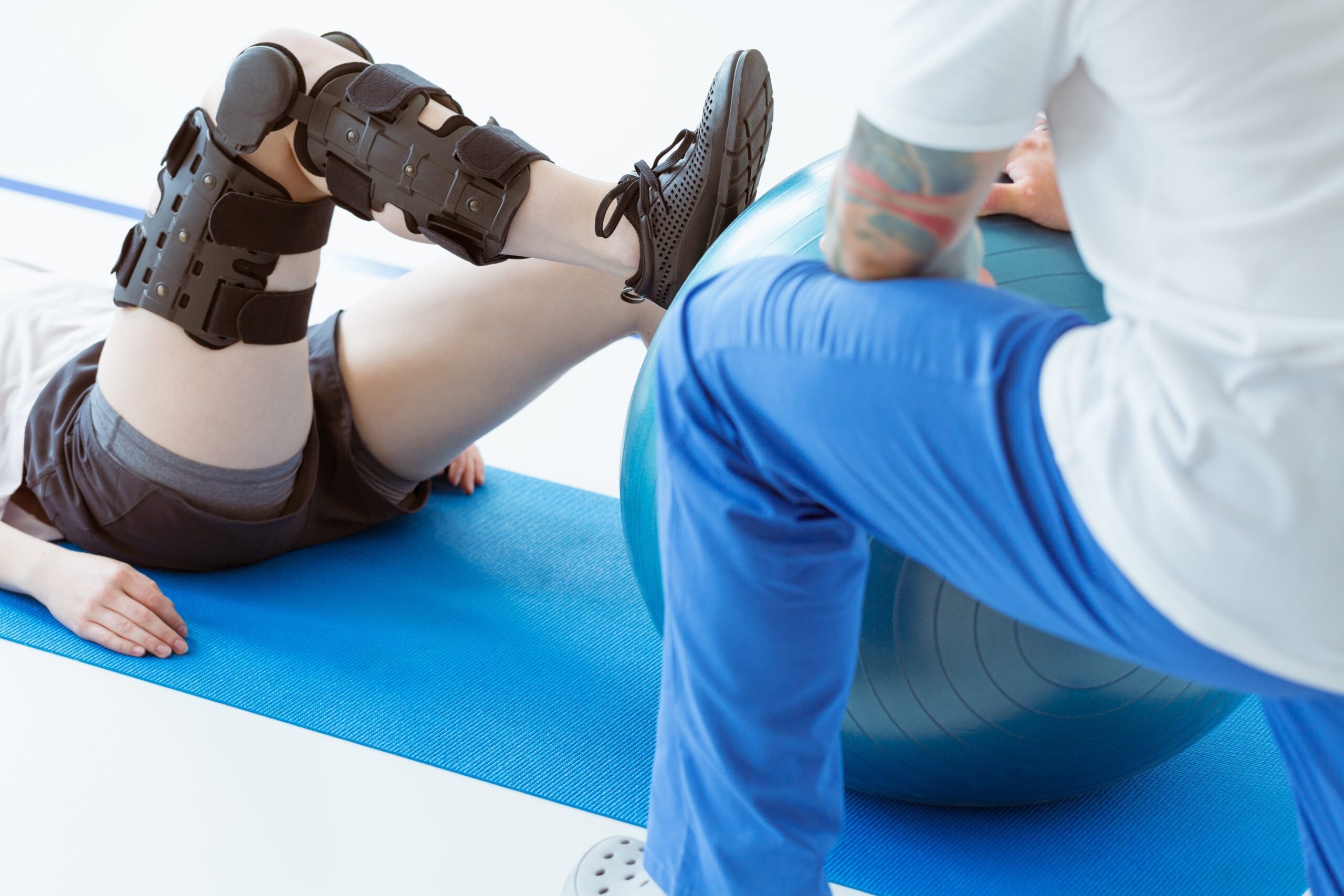
    Rotator Cuff Tear Rehabilitation Exercises

    Physiotherapists design specific shoulder physiotherapy exercises to aid recovery. Some commonly recommended movements include:

    1. Pendulum exercises – gentle swinging motions to ease stiffness.

    2. Isometric exercises – strengthening without joint strain.

    3. Resistance band training – gradual strengthening of shoulder muscles.

    4. Range-of-motion stretches – to improve flexibility and prevent stiffness.

    These exercises are tailored to each patient’s condition and recovery stage, ensuring safe and effective progress.

    Recovery Time and Expectations

    Rotator cuff tear recovery time varies depending on the severity of the injury. Mild strains may heal within a few weeks with consistent physiotherapy, while more severe tears may take several months. Consistency with exercises, adherence to the physiotherapist’s guidance, and avoiding activities that strain the shoulder are key to faster recovery.

    Preventing Rotator Cuff Injuries

    Physiotherapy is not only for recovery but also for prevention. Strengthening the shoulder muscles, improving posture, and learning proper movement techniques can reduce the risk of reinjury. Patients are also advised to warm up before exercise, avoid repetitive overhead motions, and gradually build strength for sports or physical activities.

    Recovering from a rotator cuff injury requires patience, dedication, and the right guidance. Physiotherapy provides a safe, structured, and effective path to healing, helping patients regain mobility, strength, and confidence in daily activities.

    Take the first step toward a stronger shoulder and pain-free life with expert physiotherapy care. Book your consultation today!

    Categories
    Uncategorized

    How Physiotherapy Helps Manage Frozen Shoulder Effectively

    Frozen shoulder, medically known as adhesive capsulitis, is a painful condition that causes stiffness, reduced mobility, and discomfort in the shoulder joint. It often develops gradually and can last for months or even years without proper treatment. According to Dr. GK Balaji, while medication may help relieve pain temporarily, physiotherapy for frozen shoulder remains one of the most effective long-term solutions.

    Understanding Frozen Shoulder

    Frozen shoulder occurs when the connective tissue around the shoulder joint becomes inflamed and thickened, limiting movement. Common causes include injury, surgery, prolonged immobility, and certain medical conditions like diabetes or thyroid disorders.

    The condition typically progresses in three stages:

    1. Freezing Stage: Increasing pain and stiffness over time.

    2. Frozen Stage: Pain may decrease, but mobility remains limited.

    3. Thawing Stage: Gradual improvement in range of motion.

    Without targeted intervention, recovery can take years. That’s where frozen shoulder physiotherapy plays a vital role.

    Why Physiotherapy is Effective

    Physiotherapy for frozen shoulder focuses on improving flexibility, reducing stiffness, and strengthening the surrounding muscles to restore function. A physiotherapist will assess your shoulder’s condition and create a personalized treatment plan that may include:

    1. Manual Therapy: Gentle joint mobilization techniques to improve movement.

    2. Stretching Exercises: Specific frozen shoulder exercises to loosen tight muscles and tissues.

    3. Strengthening Routines: To support shoulder stability and prevent recurrence.

    4. Heat and Cold Therapy: To manage inflammation and pain effectively.

    These approaches not only relieve pain but also speed up recovery compared to a “wait-and-see” approach.

    Best Exercises for Frozen Shoulder

    Incorporating the best exercises for frozen shoulder into your routine can greatly improve results. Examples include:

    1. Pendulum Swings: Relaxed, circular arm movements to improve joint lubrication.

    2. Cross-Body Stretch: Gentle stretching to improve flexibility.

    3. Towel Stretch: Using a towel to gradually increase the range of motion.

    Always perform these under the guidance of a physiotherapist to avoid strain.

    Recovery Tips and Precautions

    1. Stay Consistent: Regular therapy sessions and at-home exercises ensure steady progress.

    2. Listen to Your Body: Avoid overexertion, which can worsen the condition.

    3. Maintain Good Posture: This reduces stress on the shoulder joint.

    Follow a Treatment Plan: Your physiotherapist’s plan is tailored to your needs—stick to it for optimal recovery.

    Managing shoulder stiffness and pain with physical therapy for shoulder stiffness is a proven approach that offers lasting results. With early intervention and commitment to treatment, most people regain full mobility and enjoy a pain-free life.

    For expert physiotherapy techniques and personalized frozen shoulder treatment plans, book your session with us and start your recovery journey.

    Categories
    Uncategorized

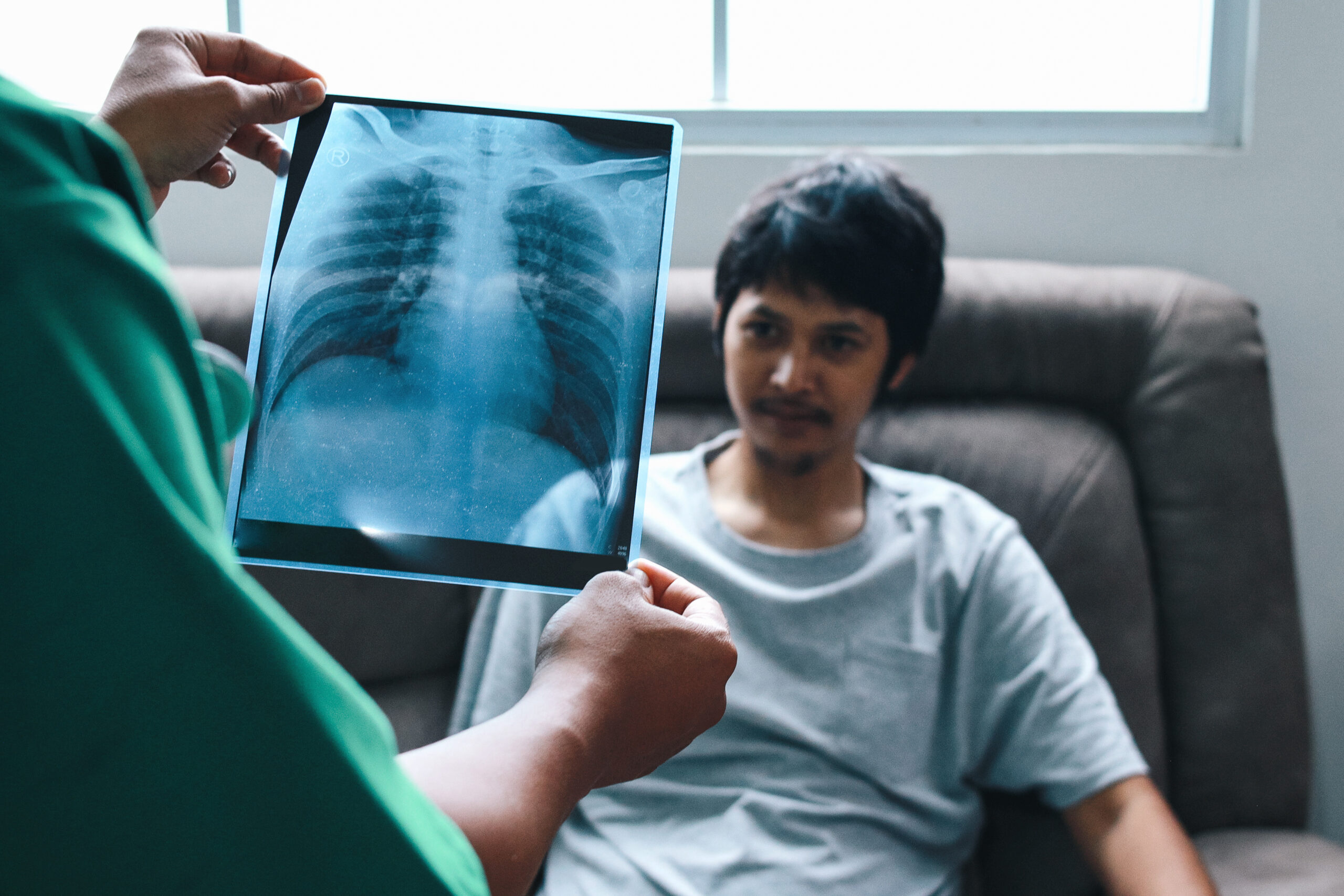
    Physiotherapy for Respiratory Conditions: Breathing Better, Living Better

    Respiratory issues such as COPD (Chronic Obstructive Pulmonary Disease), asthma, bronchitis, and post-COVID lung complications can significantly affect quality of life. According to Dr. GK Balaji, one effective and non-invasive treatment method that supports better breathing and long-term lung health is physiotherapy for respiratory conditions.

    This specialized branch of physiotherapy focuses on restoring optimal lung function, clearing the airways, and strengthening breathing muscles. Let’s explore how it works, who can benefit, and why it’s gaining importance in modern pulmonary care.

    The Role of Physiotherapy in Respiratory Health

    Physiotherapists use tailored techniques to help patients improve lung capacity, oxygen intake, and overall respiratory endurance. Some core goals include:

    1. Enhancing airway clearance

    2. Reducing shortness of breath

    3. Improving the strength and endurance of respiratory muscles

    4. Supporting physical activity with better breathing control

    One of the main approaches used is chest physiotherapy, which includes techniques like percussion, vibration, and postural drainage. These help loosen mucus in the lungs, making it easier to expel and breathe more freely.

    Common Techniques in Respiratory Physiotherapy

    Here are some widely used methods:

    1. Airway Clearance Techniques: Useful in conditions with excessive mucus, such as cystic fibrosis or bronchiectasis.

    2. Breathing Exercises in Physiotherapy: Including diaphragmatic breathing, pursed-lip breathing, and inspiratory muscle training.

    3. Pulmonary Rehabilitation Physiotherapy: A structured program combining exercise, education, and breathing support—particularly useful in COPD recovery.

    4. Physical Therapy for Respiratory Health: Gradual activity progression to help patients regain confidence in physical movements without breathlessness.

    Conditions That Benefit from Respiratory Physiotherapy

    Patients with a wide range of conditions may find relief and improvement through physiotherapy:

    1. Chronic Obstructive Pulmonary Disease (COPD)

    2. Asthma

    3. Bronchitis

    4. Post-COVID-19 lung complications

    5. Pulmonary fibrosis

    6. Pre- and post-operative lung care

    The role of physiotherapy in asthma includes not only helping during flare-ups but also maintaining daily control and reducing dependency on medications.

    Benefits of Respiratory Physiotherapy

    The consistent application of respiratory physiotherapy provides benefits such as:

    1. Improved lung function

    2. Better exercise tolerance

    3. Fewer hospital admissions

    4. Enhanced quality of life

    5. Increased independence in daily activities

    It is a drug-free, evidence-based approach that supports medical management and helps patients take charge of their respiratory well-being.

    Take a deep breath—relief is possible. Whether you’re dealing with chronic respiratory disease or recovering from an infection, physiotherapy for lung conditions can make breathing easier and life fuller.

    Book your appointment with us today and begin your journey toward stronger lungs and better health.

    Categories
    Uncategorized

    How Physiotherapy Can Improve Balance and Prevent Falls

    Maintaining balance is a key part of everyday mobility. However, as we age or face health challenges, our ability to stay steady on our feet can decline. This often leads to a greater risk of falling, one of the most common causes of injury in older adults. Fortunately, as noted by Dr. GK Balaji, physiotherapy for balance offers a proactive and effective solution.

    Why Balance Matters

    Balance is a complex function involving the brain, muscles, joints, and inner ear. Even minor impairments in these systems can lead to unsteadiness. Poor posture, muscle weakness, and neurological conditions can all contribute to imbalance. This is where physiotherapists step in, with personalized treatment plans focused on fall prevention and improving stability.

    How Physiotherapy Helps Prevent Falls

    A physiotherapist will begin with a thorough assessment to identify your specific risks. Based on your condition, they may recommend balance training, strengthening exercises, and mobility techniques. These targeted exercises help improve your body’s ability to respond to sudden movements or uneven surfaces, reducing your chances of falling.

    Postural control is another important area physiotherapy addresses. By correcting alignment and improving coordination, physiotherapists help individuals regain confidence in their movements, especially those recovering from injury or living with chronic conditions.

    Who Can Benefit Most

    While fall prevention with physiotherapy is crucial for the elderly, it’s also highly beneficial for individuals with:

    1. Neurological disorders (like Parkinson’s or stroke recovery)

    2. Joint replacements or surgeries

    3. Muscle weakness or arthritis

    4. A history of frequent falls

    These patients can experience a significant improvement in both mobility and safety, leading to a better quality of life.

    The Role of Balance Exercises in Daily Life

    Physiotherapists often teach easy-to-follow exercises you can do at home. These may include standing leg lifts, heel-to-toe walking, or practicing on balance boards. Over time, these exercises build muscle strength, enhance proprioception, and promote safe mobility.

    Consistency is key. With regular sessions, even small progress can translate into major gains, like walking more confidently, climbing stairs, or navigating crowded areas without fear.

    Take control of your balance, one step at a time. Let physiotherapy guide you toward safer movement and a fall-free future. Book a consultation with us and start your journey toward confident mobility!

    Categories
    Uncategorized

    How Physiotherapy Can Help with Mobility and Flexibility

    Mobility and flexibility are two essential components of a healthy and active lifestyle. Whether you’re recovering from an injury, managing a chronic condition, or looking to enhance your overall physical health, physiotherapy can play a vital role. According to Dr. GK Balaji, targeted physiotherapy interventions can significantly improve how you move and feel, helping you regain control over your daily activities.

    Understanding Mobility and Flexibility

    Mobility refers to the ability of your joints to move freely through their full range of motion, while flexibility is the length and elasticity of your muscles and connective tissues. When these are compromised, daily activities like walking, bending, or lifting can become difficult or painful. That’s where physiotherapy steps in as a powerful, non-invasive solution.

    How Physiotherapy Improves Mobility

    Physical therapy for movement includes joint mobilization, stretching, and strength-building exercises that are tailored to each individual’s needs. For people suffering from conditions like arthritis, stroke recovery, or post-surgery limitations, physiotherapy offers a structured plan to regain independence and motion. Therapists use techniques like mobility exercises physiotherapy to restore joint function and reduce stiffness.

    Boosting Flexibility Through Physiotherapy

    Tight muscles and connective tissue can restrict your ability to move fluidly. Physiotherapists employ specific flexibility therapy techniques such as dynamic stretching, muscle release, and posture correction to increase range of motion. These techniques not only improve how your body moves but also prevent future injuries.

    In addition, programs like stretching and flexibility therapy are designed to be progressive, which means you’ll gradually notice improvements in how your muscles respond during everyday tasks or workouts. This is especially important for athletes, older adults, and individuals with sedentary lifestyles.

    Who Can Benefit from Physiotherapy?

    From athletes aiming to stay in top form to seniors wanting to maintain independence, physiotherapy is suitable for people across all age groups. It’s particularly effective for:

    1. Post-surgical rehabilitation

    2. Injury recovery

    3. Age-related joint stiffness

    4. Chronic conditions like Parkinson’s disease or multiple sclerosis

    5. Desk workers experiencing poor posture and stiffness

    A Path Toward Better Living

    With consistent care, physiotherapy not only improves flexibility but also enhances coordination, posture, and strength. Your physiotherapist will guide you through every step, ensuring exercises are done safely and effectively for long-term success.

    Ready to move better and feel stronger? We’re here to help you reach your mobility and flexibility goals. Book your consultation!

    Categories
    Uncategorized

    Physiotherapy Techniques for Managing Headaches and Migraines

    Headaches and migraines can range from a mild nuisance to a debilitating condition that disrupts daily life. While medications may offer quick relief, many individuals look for natural, long-term solutions—and physiotherapy stands out as a safe, effective, and drug-free option. According to Dr. GK Balaji, physiotherapy addresses not just the symptoms but the root causes of these issues, offering lasting relief.

    Understanding the Common Types of Headaches

    There are several types of headaches, and physiotherapy can help manage many of them, including:

    1. Tension-type headaches: Often caused by muscle tension in the neck, shoulders, and upper back.

    2. Cervicogenic headaches: These originate from problems in the cervical spine (neck) and radiate pain to the head.

    3. Migraines: While migraines have complex neurological causes, physical factors like posture and muscle tightness can be significant triggers.

    Understanding the type of headache is essential before beginning any physiotherapy treatment.

    The Role of Posture in Headache Pain

    In today’s digital world, poor posture is a major contributing factor to chronic headaches. Spending hours hunched over laptops or mobile devices puts strain on the neck and upper back, which can lead to muscle imbalances and joint stiffness.

    Physiotherapists assess posture and movement patterns to identify issues that may be contributing to pain. By correcting these imbalances, physiotherapy can reduce headache frequency and intensity over time.

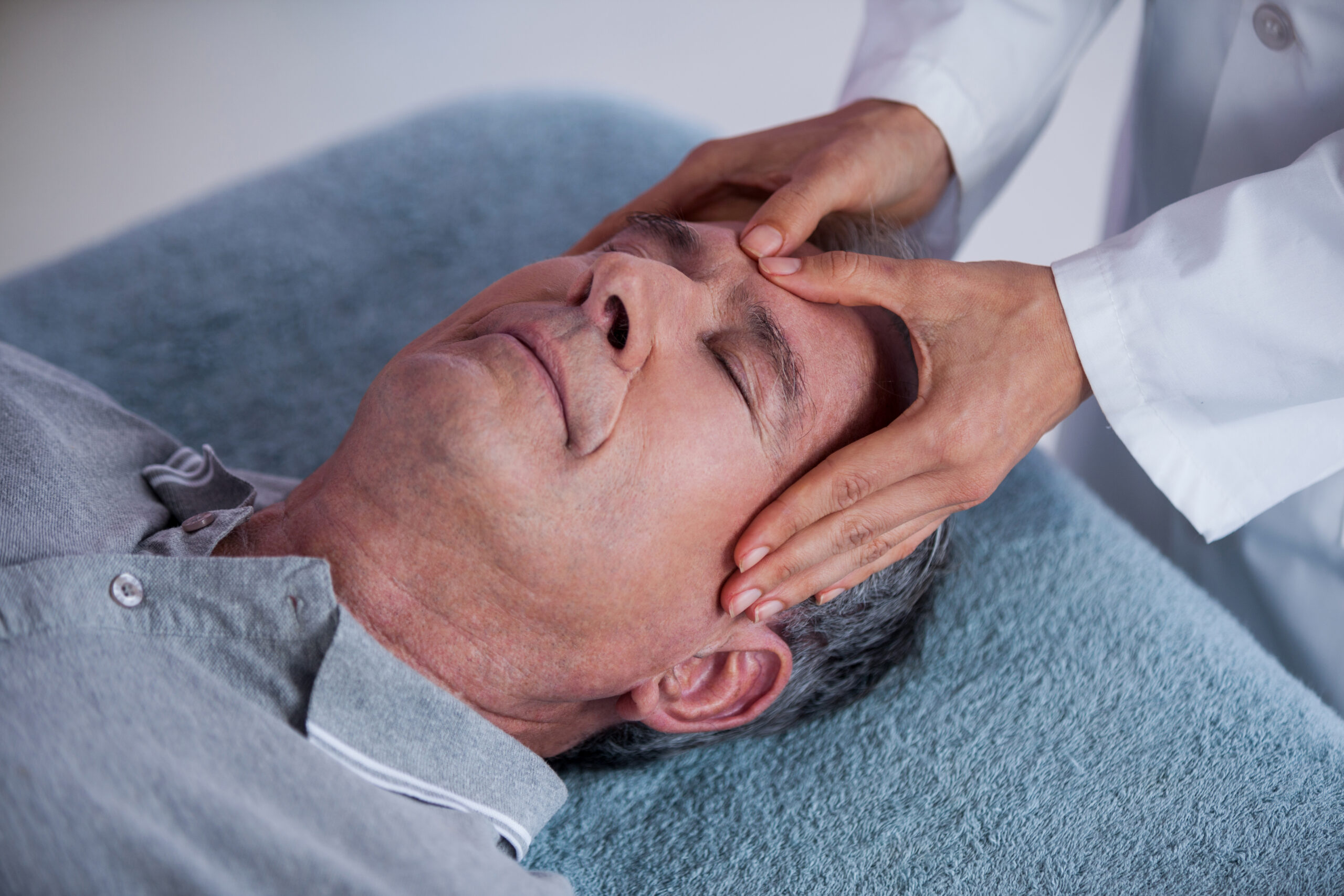
    Manual Therapy: Hands-On Relief

    One of the most effective physiotherapy techniques is manual therapy for headaches. This includes:

    1. Soft tissue mobilization: Reduces muscle tension and promotes relaxation

    2. Joint mobilization or manipulation: Restores movement in stiff neck

    3. Trigger point therapy: Releases tight muscle knots that may refer pain to the head

    These techniques improve blood flow, decrease muscle tightness, and help reduce headache symptoms significantly.

    Targeted Exercises and Stretches

    Physiotherapists also prescribe custom exercise programs that include:

    1. Neck and shoulder stretches to release tension

    2. Strengthening exercises for postural muscles

    3. Mobility drills to improve spinal alignment

    These exercises not only support better posture but also prevent future headaches by improving overall musculoskeletal health.

    Lifestyle and Ergonomic Advice

    In addition to therapy, physiotherapists provide education on:

    1. Workplace ergonomics (desk setup, chair height, screen level)

    2. Stress management techniques

    3. Daily activity modifications

    Small changes in daily habits can go a long way in reducing the risk of headache recurrence.

    Who Should Consider Physiotherapy for Headaches?

    Physiotherapy is ideal for:

    1. Individuals with frequent tension-type or cervicogenic headaches

    2. Those seeking non-medication treatments for migraines

    3. People with poor posture or a sedentary lifestyle

    4. Athletes or professionals with high neck/shoulder stress

    If you’re tired of relying solely on medication, physiotherapy offers a holistic, long-term approach to managing headaches and migraines. Through manual therapy, targeted exercises, and posture correction, you can experience significant relief and improved quality of life.
    Ready to take control of your headache pain naturally? Schedule a consultation with us and explore a drug-free path to lasting relief today!

    Categories
    Uncategorized

    Understanding the Benefits of Aquatic Physiotherapy

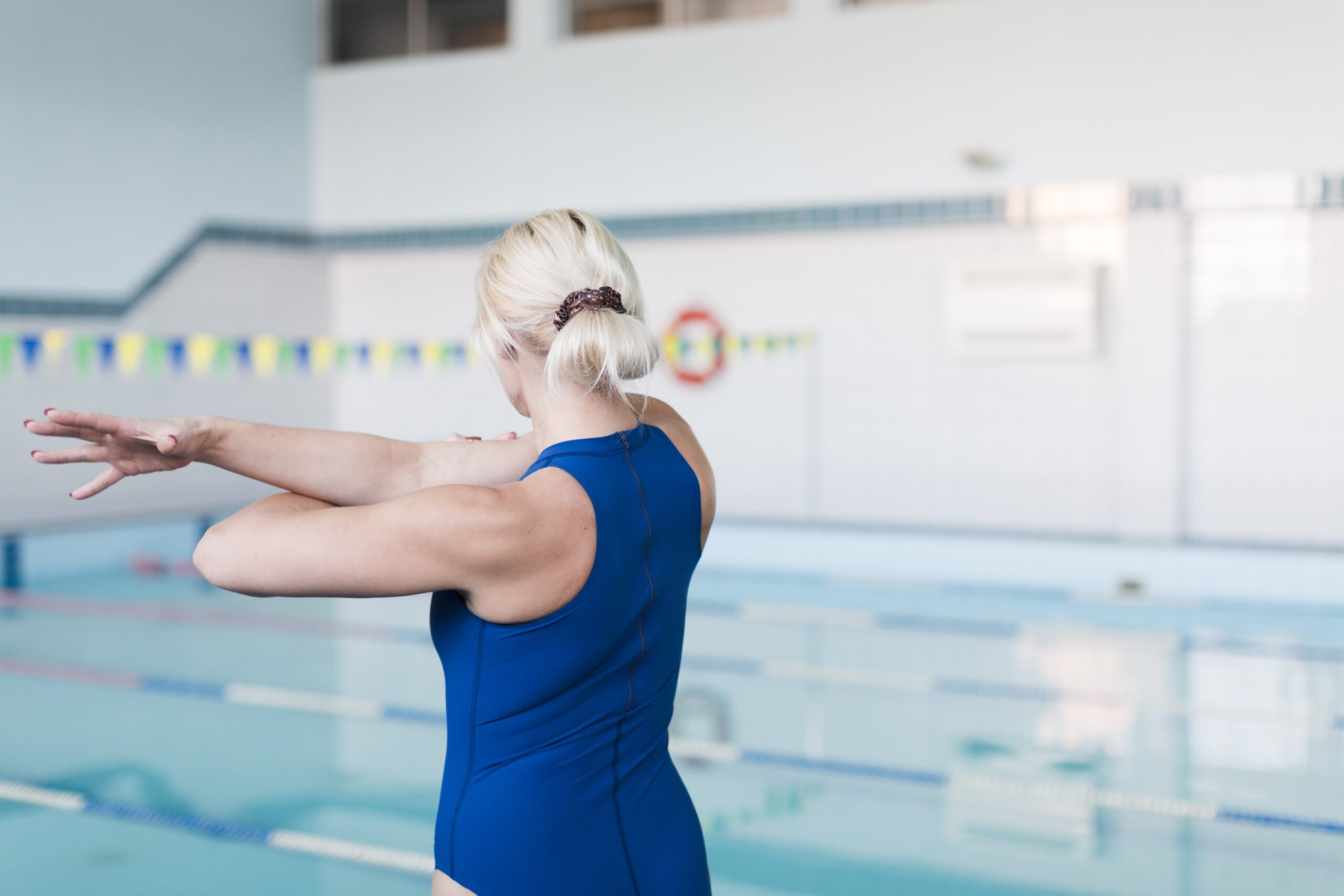
    Aquatic physiotherapy, also known as hydrotherapy, is an effective rehabilitation technique that utilizes water’s buoyancy, resistance, and warmth to relieve pain, improve mobility, and enhance muscle strength. According to Dr. G K Balaji, this therapy particularly benefits individuals recovering from injuries, arthritis, and joint pain. Let’s explore how water-based rehabilitation can be a game-changer for various health conditions.

    1. Pain Relief and Joint Support

    One of the key benefits of aquatic physiotherapy is its ability to provide pain relief without placing stress on the joints. Water’s buoyancy reduces the impact on the body, making movement easier and less painful. This is especially helpful for individuals suffering from arthritis, back pain, or chronic joint issues. The warmth of the water also helps relax muscles, alleviating tension and stiffness.

    2. Faster Recovery from Injuries

    Water therapy for injury recovery is widely recommended for athletes and individuals healing from surgeries or accidents. The resistance of water provides a natural yet gentle way to rebuild strength without overstraining muscles or joints. Exercises performed in water help improve the range of motion while reducing the risk of further injury.

    3. Improved Mobility and Flexibility

    For individuals struggling with limited mobility, hydrotherapy for joint pain can be a safe and effective solution. Water allows for smoother movements, enabling patients to perform exercises that might be too difficult on land. This makes aquatic physiotherapy for seniors particularly beneficial, as it helps maintain independence and movement without excessive strain.

    4. Strengthening Muscles Without Strain

    Unlike traditional weight training, hydrotherapy for muscle strength utilizes water resistance to help individuals build endurance without the risk of excessive pressure. This makes it an excellent option for people with sports injuries, post-surgical patients, and those recovering from conditions like stroke or multiple sclerosis.

    5. Mental Relaxation and Stress Reduction

    Beyond physical benefits, aquatic exercise for recovery also has mental health advantages. The soothing effect of water promotes relaxation, reduces anxiety, and improves overall well-being. Many patients report feeling calmer and more refreshed after hydrotherapy sessions.

    Who Can Benefit from Aquatic Physiotherapy?

    1. People with arthritis seeking pain relief

    2. Athletes recovering from injuries

    3. Seniors looking to improve mobility

    4. Post-surgical patients regaining strength

    5. Individuals with chronic pain conditions

    Aquatic physiotherapy is a powerful and effective treatment for various conditions, from arthritis to sports injuries. With its low-impact nature, it ensures pain relief, faster recovery, and improved mobility without the strain of traditional exercises.

    If you’re looking for a safe and effective rehabilitation method, aquatic physiotherapy could be the perfect solution for you! Consult us to learn more!

    Categories
    Uncategorized

    How Physiotherapy Can Aid in Stroke Recovery

    A stroke can significantly impact a person’s mobility, strength, and overall quality of life. However, physiotherapy for stroke patients plays a crucial role in helping individuals regain movement and independence. According to Dr. GK Balaji, targeted stroke rehabilitation exercises and treatments can help patients improve strength, balance, and coordination, ultimately enhancing their recovery and quality of life.

    Why Physiotherapy is Essential for Stroke Recovery

    Physiotherapy is an integral part of post-stroke care because it focuses on retraining the brain and muscles. After a stroke, patients may struggle with partial paralysis, muscle weakness, or coordination issues. Physical therapy for stroke recovery helps restore these functions through structured exercises and movement therapies.

    Key benefits of physiotherapy in stroke rehabilitation include:

    1. Improved Mobility: Regaining mobility after a stroke is one of the primary goals of therapy. Patients learn to walk again, use assistive devices, and regain balance.

    2. Muscle Strengthening: Targeted muscle strengthening for stroke patients helps restore strength in weakened limbs and prevents muscle atrophy.

    3. Better Coordination: Neuro physiotherapy for stroke enhances coordination by retraining the brain to control movements effectively.

    4. Increased Independence: Physiotherapy promotes self-sufficiency, allowing stroke survivors to perform daily tasks more easily.

    Effective Stroke Rehabilitation Exercises

    A physiotherapist tailors stroke rehab techniques to each patient’s condition and progress. Some commonly recommended stroke recovery exercises include:

    1. Range of Motion Exercises: These help reduce stiffness and improve flexibility in affected limbs.

    2. Strength Training: Simple resistance exercises using bands or weights to rebuild muscle function.

    3. Balance Exercises: Activities such as standing on one leg or using balance boards help regain stability.

    4. Walking Therapy: Gait training exercises assist in improving movement after a stroke, helping patients regain confidence in walking.

    5. Hand and Finger Exercises: For those with hand weakness, fine motor exercises improve dexterity and grip strength.

    The Role of Neuro Physiotherapy in Stroke Rehabilitation

    Neuro physiotherapy for stroke focuses on restoring nervous system function by stimulating nerve pathways. This specialized therapy includes:

    1. Mirror Therapy: Using a mirror to stimulate movement in a paralyzed limb.

    2. Electrical Stimulation: Sending mild electrical pulses to stimulate muscles and prevent stiffness.

    3. Task-Specific Training: Practicing real-life movements like picking up objects or climbing stairs to build functional strength.

    Regaining Independence with Physiotherapy

    The journey to stroke recovery treatment requires patience, persistence, and expert guidance. Regular post-stroke physiotherapy helps individuals rebuild their confidence, reduce the risk of secondary complications, and enhance their overall well-being.

    If you or a loved one is recovering from a stroke, professional physiotherapy can make a significant difference. Start your recovery journey with us—book your appointment!

    Categories
    Uncategorized

    From Pain to Progress: How 3D Motor Therapy Transforms Lives

    Living with chronic pain or limited mobility can significantly affect one’s quality of life. Traditional rehabilitation methods, while effective, often take time and can be challenging for individuals with complex needs. Enter 3D motor therapy—a groundbreaking solution that combines advanced technology with personalized care to offer transformative results. Under the expert guidance of Dr. GK Balaji, this innovative approach has helped countless individuals regain mobility and lead a more fulfilling life.

    What is 3D Motor Therapy?

    3D motor therapy leverages state-of-the-art technology to facilitate targeted rehabilitation. This method provides three-dimensional motion exercises replicating natural movements, making it highly effective for patients recovering from injuries, surgeries, or chronic conditions. 3D motor therapy helps reduce pain, rebuild strength, and improve mobility by focusing on controlled and precise movements.

    Benefits of 3D Motor Therapy

    1. Customized Rehabilitation Plans: Each patient’s therapy is tailored to their specific needs, ensuring optimal results. This personalized approach allows for targeted pain management and mobility improvement.

    2. Faster Recovery: Unlike traditional therapy, 3D motor therapy accelerates the recovery process by promoting muscle engagement and joint stability in a controlled environment.

    3. Improved Mobility: Patients experience enhanced range of motion and strength, helping them regain independence and confidence.

    4. Chronic Pain Management: For individuals with conditions such as arthritis or back pain, 3D motor therapy offers an innovative solution for long-term relief.

    5. Non-Invasive and Safe: This therapy provides a non-invasive approach to rehabilitation, minimizing the risk of further injuries.

    Who Can Benefit from 3D Motor Therapy?

    This therapy is suitable for a wide range of individuals, including those recovering from sports injuries, surgeries, or neurological conditions such as strokes. It is also highly beneficial for people managing chronic pain or limited mobility due to conditions like arthritis or musculoskeletal disorders.

    A Revolution in Rehabilitation

    The integration of 3D motor therapy into physical rehabilitation has transformed the field of pain management and mobility improvement. By simulating natural movements, this therapy not only addresses physical limitations but also promotes mental well-being. Patients feel empowered as they progress from pain to independence, making every step of their journey transformative.

    Countless patients have experienced life-changing results with 3D motor therapy. From athletes recovering from injuries to elderly individuals regaining their mobility, the success stories are endless. This advanced rehabilitation method has become a beacon of hope for many seeking to overcome physical challenges.

    If you’re looking for an innovative, non-invasive solution to chronic pain or mobility issues, 3D motor therapy could be the answer. Whether you’re recovering from an injury or managing a long-term condition, this therapy offers a holistic approach to healing and progress. Ready to take the first step toward a pain-free life? Discover the transformative power of 3D motor therapy—contact us to begin your journey!